|
Root for the Home Team at the Old Ball Game
New Park for Reno Aces Nears Completion
Built in 12 months, the $50 million AAA baseball stadium in Reno will host 72 home games each year for the Reno Aces.
By Christia Gibbons
A tight schedule, no wiggle room and snow.
When the new Reno Aces play ball at their home opener April 17, the players and fans won’t care that these challenges were overcome to get their AAA, $50 million stadium built, but a real estate developer/team owner, construction project manager and architect will be breathing a huge sigh of relief.
Stuart Katzoff, real estate developer and managing partner and president of SK Baseball; Doug Browne, senior project manager for Devcon Construction of Milpitas, Calif; and architect Joe Diesko of HNTB of Las Vegas have been contending with a time frame forced on the project by factors such as team ownership, legislative approval, property ownership and building permits.

“We not only had to construct this AAA stadium in 12 months but also had to help guide the design to ensure we were getting what we needed to stay on schedule,” Browne says. Devcon, which has a Reno office, was awarded the contract in April.
Building and design went on nearly simultaneously as the 6.23-acre project got started just in time to make use of a Washoe County rental car tax before it expired. Browne says two months was spent in utility relocations and soil remediation, so essentially the construction team had 10 months to complete the stadium.
“Probably the biggest construction challenge was getting steel fabricated and to the project in order to meet the schedule without completed structural plans,” Browne says. To do so, Devcon worked with the architect to come up with a schematic structural steel and metal deck bid to attract a company willing to lock in a price per ton.
 |
| With space for 9,000 fans, promoters hope Aces’ home opener on April 17th will look just like this rendering. Image courtesy HNTB Architecture |
Likewise we had to bring on the mechanical, plumbing, electrical, fire sprinkler and scoreboard design-build subcontractors well before plans or specifications were ready,” Browne says.
The project is under a project labor agreement, which Browne says is new to Northern Nevada. The agreement requires weekly meetings with the owner’s attorneys and union representatives “to ensure harmonious labor relations,” he adds.
On peak personnel days, about 175 workers are in action, and that number could grow to more than 200 as opening day nears, Browne says.
Then, there’s the snow.
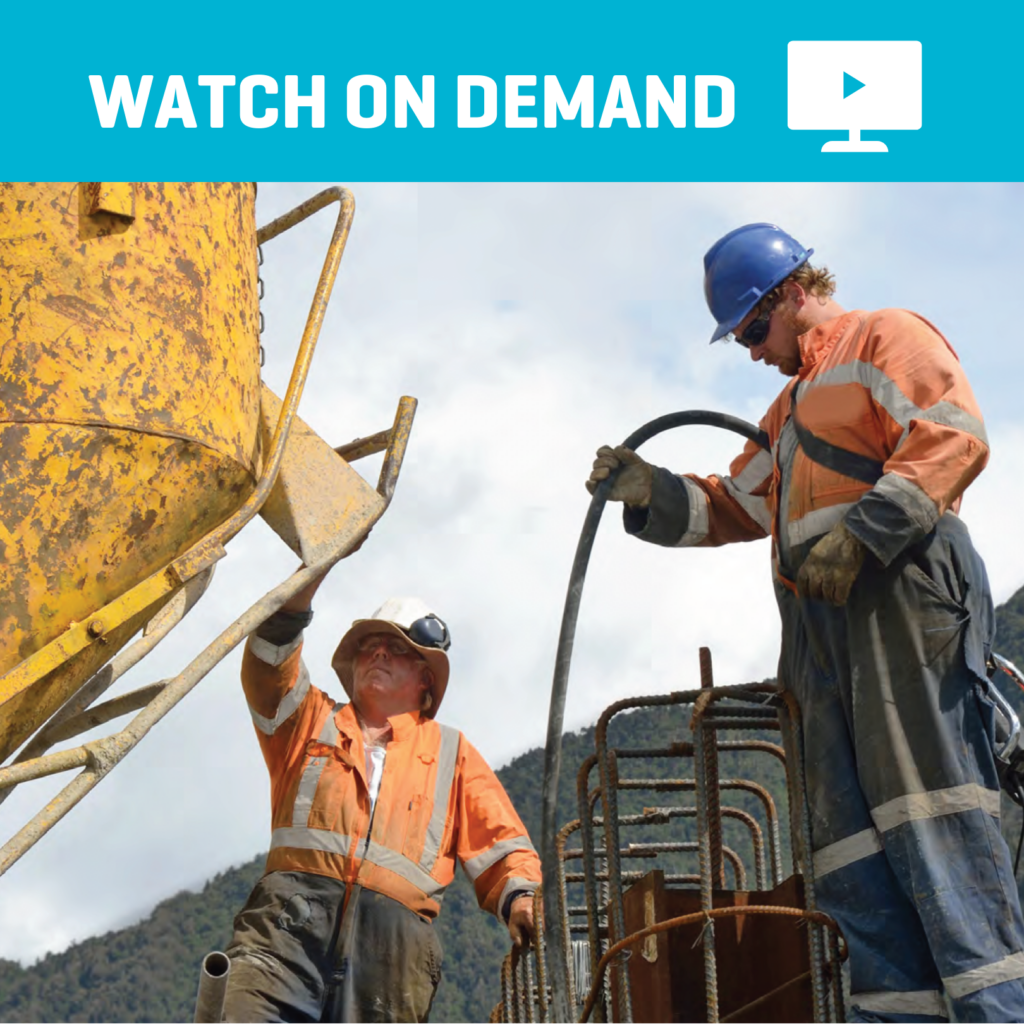
“We have had several days in the single digits for temperatures and up to 6 in. of snow on the site, which we have continued to work through,” Browne says. “We cannot afford any weather days since we are already working six, 10-hour days per week, so we are being proactive with the weather by tenting off areas, applying temporary heat and removing snow as it is snowing.”
Katzoff says owning a sports team fulfills a childhood dream made possible because the city, architect, contractor, consultants and everyone else connected with the stadium is committed to getting it built. “Everyone’s interest was aligned and everyone worked hard,” he says.
During the project, a firehouse was relocated, stadium design connected to downtown Reno as a first step in a new entertainment district and a mini green monster in left field was designed to compensate for the altitude.
“At the Reno elevation of roughly 4,600 ft, we believe fly balls will travel roughly 8% further than at sea level, so we had to consider that in the layout,” says Diesko.
 |
| Despite single digit temperatures and snow, crews were able to continue working by tenting off areas and applying temporary heat. (Photos courtesy Devcon Construction) |
The ballpark will include a family grass berm-dubbed Baseball Mountain-complete with picnic tables and a children’s baseball-themed playground. Diesko says that from the top of the berm, fans will be able to watch a game with the Truckee River at the base of the mountain and the skyline of Reno as the backdrop behind home plate.
People “can kayak down the Truckee, tie up and enjoy a game or the entertainment environment around the ballpark,” Diesko says.
The stadium will seat about 9,000 and include Gold Premium Seats for an in-seat service area, three Dugout Suites behind home plate, 20 suites for 12 to 16 people each, one Group Club Suite for 84 to 100 people, a Kid’s Corner and standing room.
“Basically this is a mini Major League baseball park,” Katzoff says.
The stadium and its 72 home games will anchor the mixed-use, 17.5-acre Freight House District.
After baseball season, work on the entertainment district of restaurants and nightclubs will start. Office buildings, apartments and retail will be developed as the economy allows.
The entertainment district will be so tied into the park that at one sports bar patrons will be able to step out on a balcony and see a game, Katzoff says.
Key Players
Owner: SK Baseball
Architect: HNTB Architecture
General Contractor: Devcon Construction
Subcontractors: Martin Iron Works; RHP Mechanical; Intermountain Electric; Desert Fire Protection; Daktronics
Click
here for next Feature Story >>
|